



 Whatsapp
Will a Submersible Pump Burn Up If It Runs Out of Water?
Submersible Pumps are reliable, efficient, and versatile devices that serve various purposes, from pumping water out of flooded basements to powering large-scale irrigation systems. One concern often raised by users and potential buyers is:Will a submersible pump burn up if it runs out of water? This is a critical question to consider, as improper usage can lead to damage or failure in these essential tools. In this article, we’ll not only address this question in detail but also explore the advantages of submersible pumps and provide insights into choosing the right one for your needs.
Understanding How a Submersible Pump Works
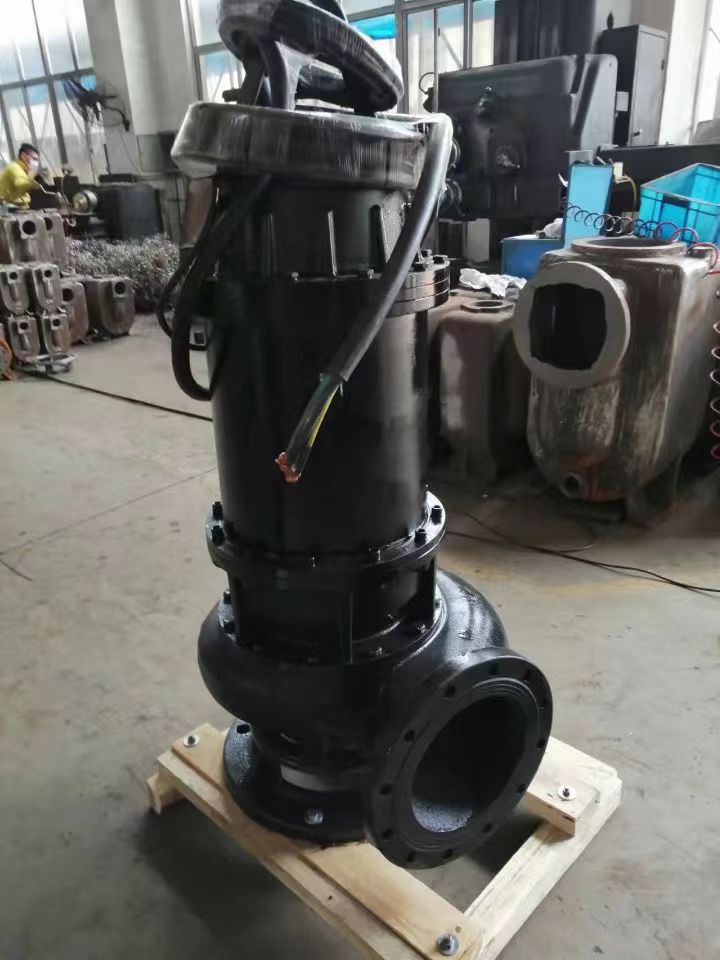
A submersible pump is designed to operate while fully submerged in water. It uses a hermetically sealed motor to push water to the surface. Unlike traditional pumps that rely on suction, submersible pumps leverage their submerged environment and the surrounding pressure to operate efficiently. This makes them ideal for applications like well systems, swimming pools, and drainage solutions.
Submersible pumps rely on water not just as the medium to transfer but also as a cooling agent. When the pump is working properly, the surrounding water cools the motor, preventing it from overheating. But what happens if the pump runs dry?
What Happens When a Submersible Pump Runs Dry?
Running a submersible pump without water is risky. When there’s no water to pump, two primary issues arise:
1. Overheating: Submersible pumps are specifically engineered to have their motors cooled by the water around them. Without water, the pump’s motor will quickly overheat, potentially leading to internal damage or complete failure.
2. Impeller and Seal Damage: In the absence of water, friction between the moving parts—such as the impeller and seals—can increase. This heightened friction may cause these components to wear out prematurely, prompting expensive repairs or a full replacement.
While some modern submersible pumps come with features like thermal overload protection or dry-run protection, which shut off the pump automatically in case of overheating or lack of water, not all models have these safeguards. Thus, it’s essential to ensure your pump is always operated under appropriate conditions.
Best Practices to Prevent Your Submersible Pump from Running Dry
To avoid burning out your submersible pump, adhere to the following practices:
- Monitor Water Levels: If you're using a submersible pump for applications such as well water or a pool, regularly check the water level to ensure the pump remains fully submerged.
- Install a Pump Float Switch: A float switch can help automatically turn off the pump when water levels drop too low, reducing the risk of running it dry.
- Opt for Models with a Built-in Safety Mechanism: Some more advanced submersible pumps come equipped with dry-run protection and thermal sensors that shut the system down if overheating is detected.
Advantages of Submersible Pumps
Submersible pumps outperform many other types of pumps in various ways, making them a popular choice for both residential and industrial applications. Here are some key advantages:
1. High Efficiency:Since submersible pumps push water rather than pulling it, they are much more energy-efficient, particularly for deep Water Pumping.
2. Quiet Operation: Being beneath the surface of the water muffles operational noises, leading to quieter performance compared to surface pumps.
3. Corrosion Resistance: Most submersible pumps are built with robust, corrosion-resistant materials, making them durable and long-lasting, especially in applications involving exposure to water over extended periods.
4. Wide Application Range: Whether it’s a submersible pump for your pool, draining flooded water, or extracting water from deep wells, these pumps are extremely versatile and customizable for various needs.
Choosing the Right Submersible Pump for Your Needs
When shopping for a submersible pump, consider factors such as flow rate, maximum head height, motor power, and price. For example, if you're looking for a high-performance pump for residential use, a submersible pump 1 HP might be suitable. Check for reputable brands that include features like thermal overload protection to reduce the risk of damage from running dry.
Additionally, ensure compatibility with your intended application—whether it's for your pool, well, or flood drainage. Comparing price points among trusted brands can help you make an informed decision. For instance, searching for a term like “submersible pump 1 HP price” can provide you with an idea of the investment required for a durable and efficient pump.
Common Questions About Submersible Pumps
Do all submersible pumps come with dry-run protection?
No, not all models offer this feature. When purchasing, look for pumps with built-in safety mechanisms to prevent damage if used improperly.
Are submersible pumps safe for pool use?
Yes, a submersible pump for pools is ideal for draining or circulating water. Ensure it’s rated for the volume and depth of your pool for best results.
How do I maintain a submersible pump?
Regularly clean the pump to prevent clogs, check seals for wear and tear, and ensure the pump always operates within appropriate water levels. Testing the pump periodically can also help detect potential issues early.
Conclusion
A submersible pump can, indeed, burn out or sustain significant damage if it runs out of water. This happens primarily due to overheating and increased friction between moving parts. However, by performing regular maintenance, monitoring water levels, and using pumps equipped with safety mechanisms like dry-run protection, you can prevent such incidents. A submersible pump is an invaluable tool when used appropriately, offering high efficiency, durability, and quiet operation. When selecting a pump, ensure it meets your specific needs—whether for a pool, well, or any other application—and consider additional features such as thermal protection to prolong its lifespan and efficiency. By taking these steps, you can ensure reliable performance and avoid costly repairs.