


 Whatsapp
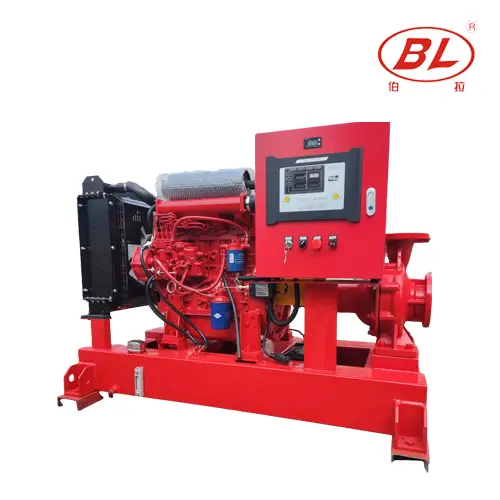
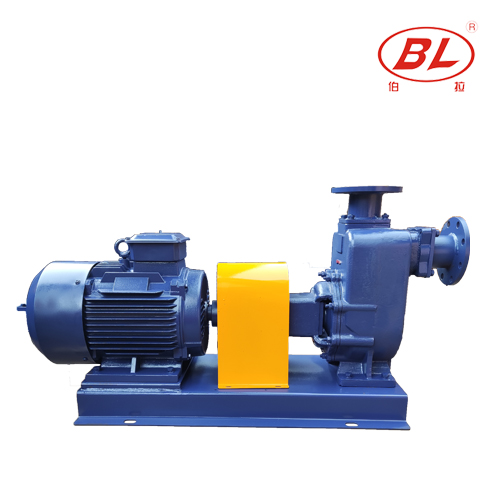
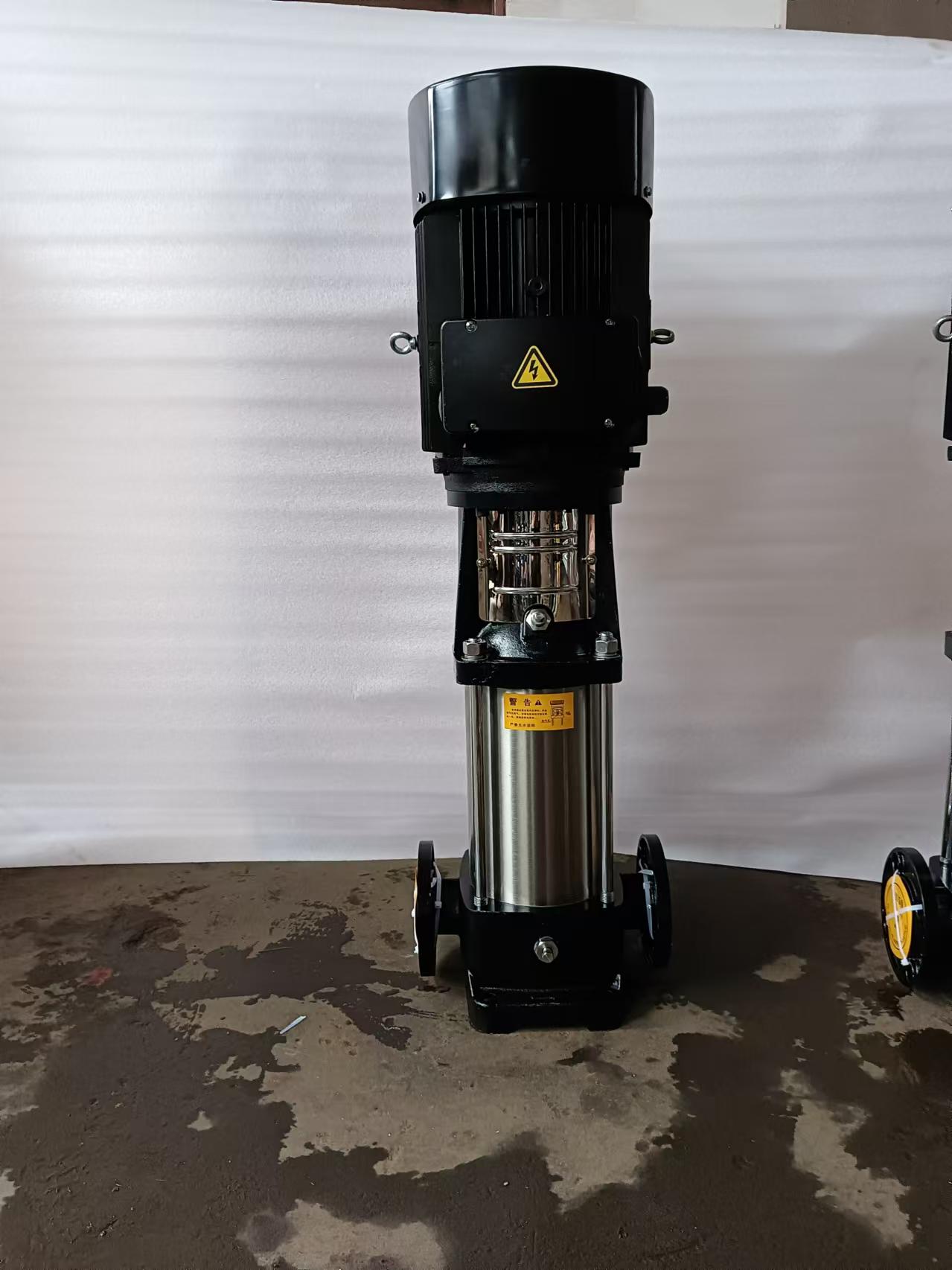
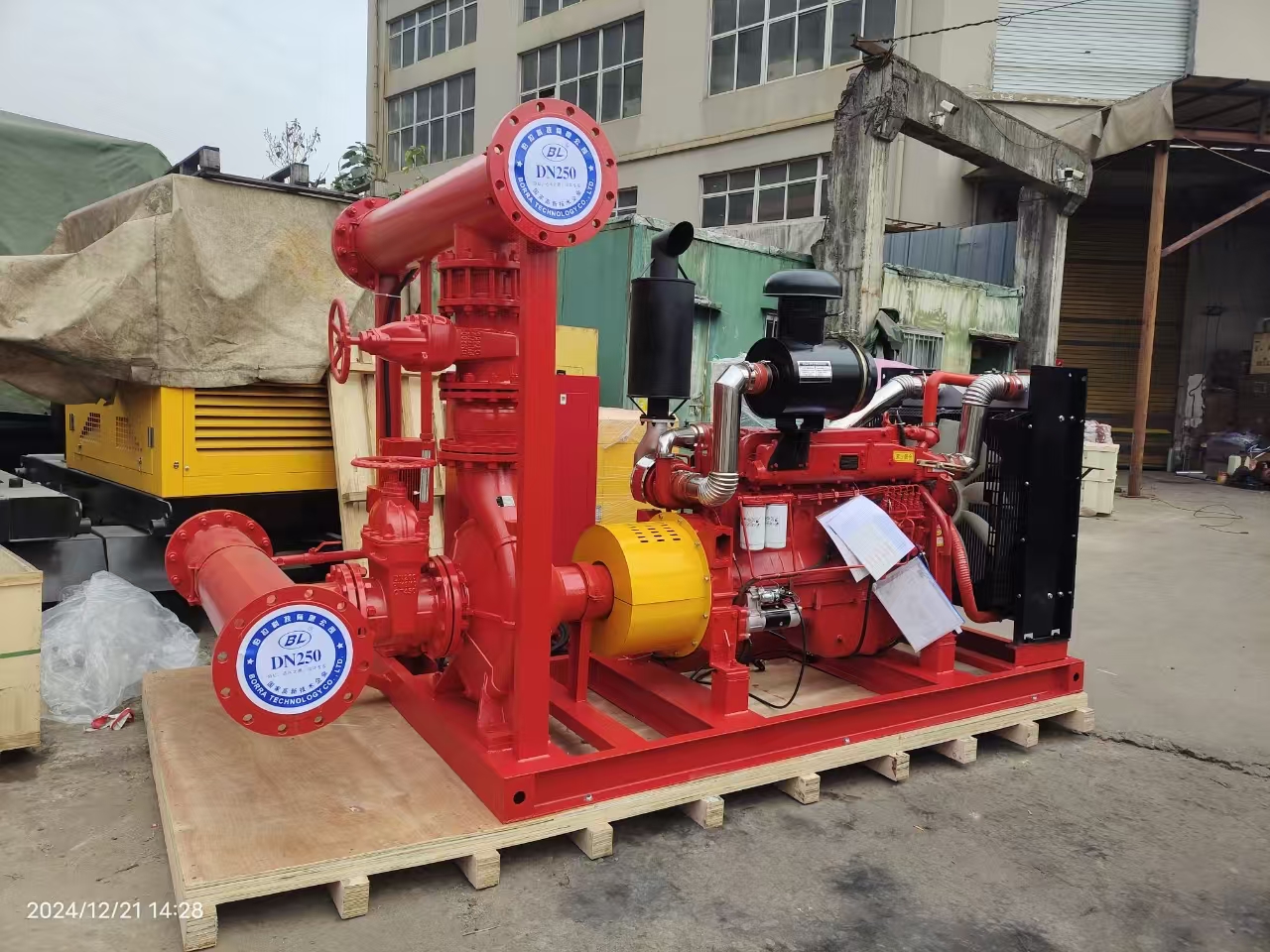
What kind of water pump can meet your requirements?
What Kind of Water Pump Can Meet Your Requirements?
If you're looking for the perfect water pump to meet your needs, you've come to the right place. Choosing the right pump can feel overwhelming with so many options available, but understanding the specifics of submersible pumps, Sewage Pumps, and water circulation pumps can help narrow down your choices. In this article, we'll walk you through the key considerations so you can find the ideal pump for your home, industrial, or agricultural needs while highlighting some popular questions about these versatile devices.
What is a Submersible Pump Used for?
To begin with, understanding the purpose of a Submersible Pump is essential. True to its name, a submersible pump is designed to function while fully submerged in water or other fluids. These pumps are commonly used for:
- Draining floodwater: Particularly useful for homes prone to flooding or basements with water collection issues, a submersible sump pump with a float switch can automatically detect water levels and start pumping.
- Draining pools and ponds: Whether it's a swimming pool or a fish pond, these pumps are ideal for keeping the water level in check or for emptying them for maintenance purposes.
- Borehole water extraction: For irrigation and drinking purposes in agricultural and rural areas, an electric submersible pump is highly effective in pulling water from deep wells.
-
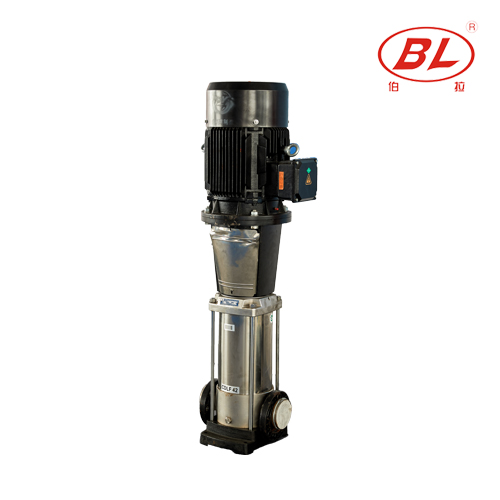
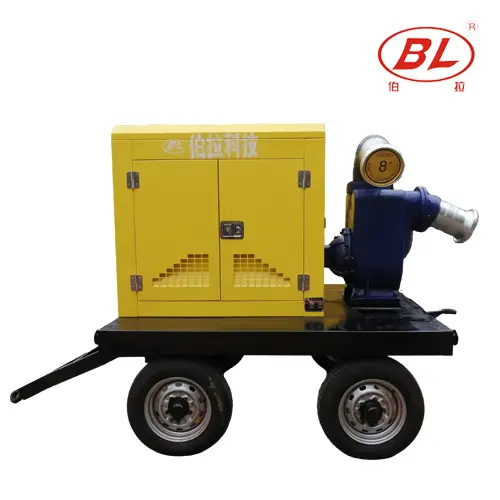
Sewage Pumps: The Ultimate Solution for Waste Management
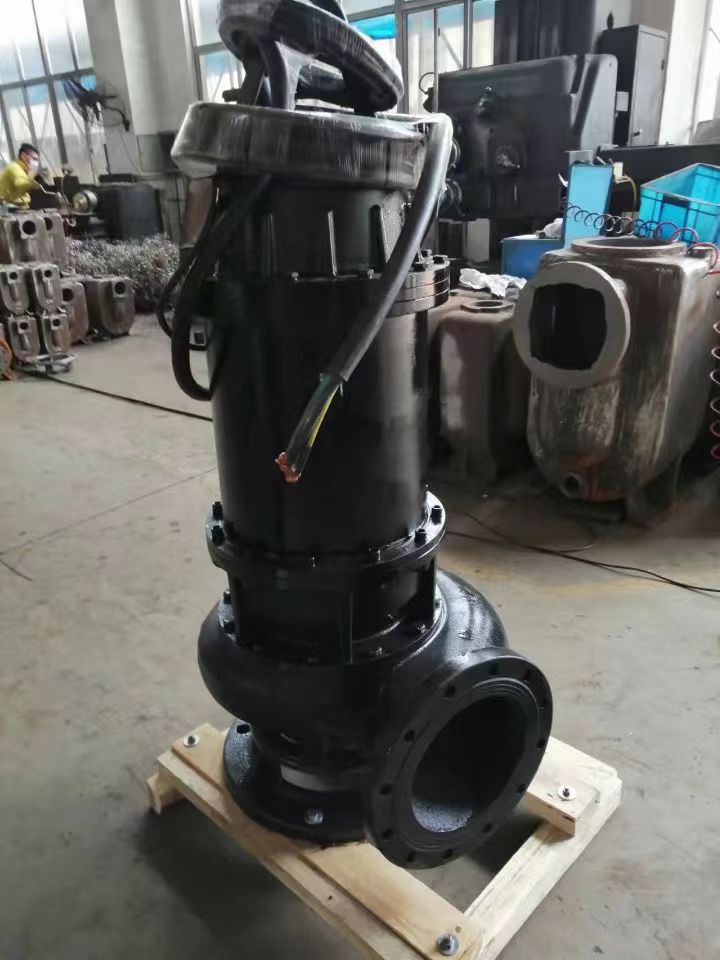
A sewage pump is built to handle solid and liquid waste efficiently, making it an indispensable addition for residential, commercial, and industrial properties. These pumps are usually installed in high-moisture areas like bathrooms or basements where waste needs to be transported to septic tanks or sewage systems.
Key Benefits of Sewage Pumps:
- Handles solid waste: Sewage pumps are equipped to handle solid waste up to a certain size (often up to 2 inches or more), preventing clogging and blockages.
- Energy-efficient options: Modern sewage pumps, like electric models, provide robust power while consuming minimal energy.
- Automatic functionality: Many pumps include float switches to ensure they only operate when needed, reducing wear and operational costs.
If you're dealing with household waste, a residential submersible sewage pump should suffice. For industrial applications, you might consider more powerful alternatives like grinder pumps.
Water Circulation Pumps: Keeping Your Water Flowing
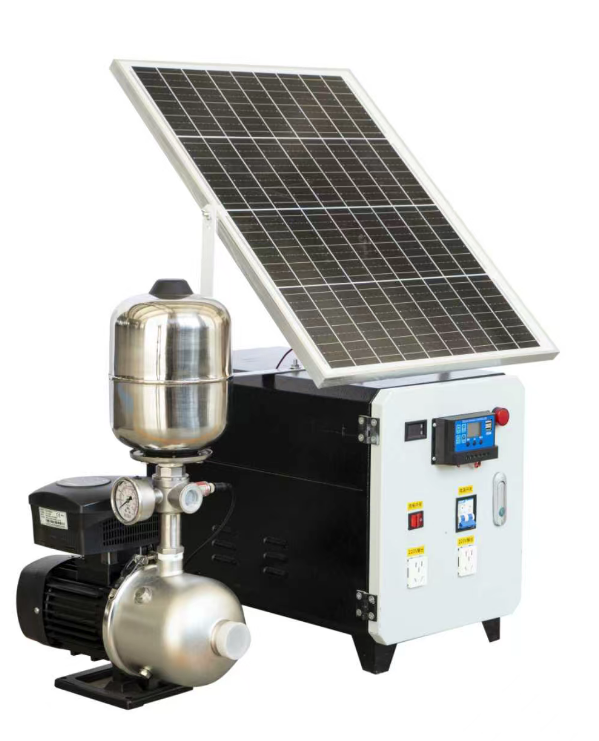
Efficient water circulation is critical in both homes and industrial settings, whether for heating, cooling, or delivering water to taps on demand. A water circulation pump is designed to provide continuous water movement, ensuring consistent temperature and pressure levels.
Common applications for water circulation pumps include:
- Heating and cooling systems: In HVAC systems, these pumps help maintain an even distribution of hot or cold water.
- Domestic water supply: For consistent water pressure in taps and showers, water circulation pumps are frequently installed.
- Aquariums and ponds: To maintain proper oxygenation and water quality, small circulation pumps are often used in aquatic setups.
Factors to Consider When Choosing a Water Pump
Before making a purchase decision, weigh these factors to ensure your pump meets your exact needs:
- Pump capacity and flow rate: Consider how much water you need the pump to move within a specific timeframe.
- Type of fluid: Ensure the pump is designed to handle the water or fluid you're working with. For example, a sewage pump can handle solids, while a circulation pump is best for clean water.
- Installation environment: If the pump will be submerged (as with a submersible pump) or installed in a tight space, make sure its design is suitable for the conditions.
- Energy efficiency: Look for modern, eco-friendly pumps with low energy consumption.
- Automatic features: A submersible sump pump with a float switch or a sewage pump with automatic pressure regulation can save time and effort by turning on and off as needed.
Common Questions About Water Pumps
To help you make an informed decision, here are answers to some frequently asked questions about water pumps:
How is a submersible pump different from other types of pumps?
Unlike other pumps, submersible pumps are designed to operate fully submerged in water. This allows them to be quieter and more efficient since they don't require priming or re-priming. They are also less prone to overheating because water surrounds and cools the motor during operation.
Can a sewage pump be used for other water management tasks?
While sewage pumps are primarily designed to handle wastewater and solids, they can sometimes be adapted for other purposes, like draining floodwater. However, it's important to check the manufacturer's recommendations to ensure prolonged pump life and reliability.
How often should I maintain my water pump?
Maintenance frequency depends on usage. For heavy-use systems like sewage pumps or circulation pumps in industrial applications, inspect and clean them quarterly. Light-use or seasonal applications like submersible sump pumps may only require yearly maintenance.
Where to Buy High-Quality Water Pumps?
When shopping for water pumps, always opt for reputable brands and certified distributors. Look for reviews, warranties, and energy efficiency ratings to ensure you're making an informed choice. If possible, consult with an expert who can tailor recommendations to suit your specific needs.
Conclusion
Choosing the right water pump boils down to understanding your needs, the type of fluid you'll be managing, and the environment in which the pump will be installed. Whether you need a submersible pump, sewage pump, or water circulation pump, defining these factors ensures you'll find the perfect match. Always prioritize quality, durability, and energy efficiency to make a worthwhile investment. If you're unsure about the best option for your requirements, consulting a professional can save you time and money while ensuring optimal performance for years to come.